











































































































































































































































































































Description
MyMycoLab Mold Blood Test
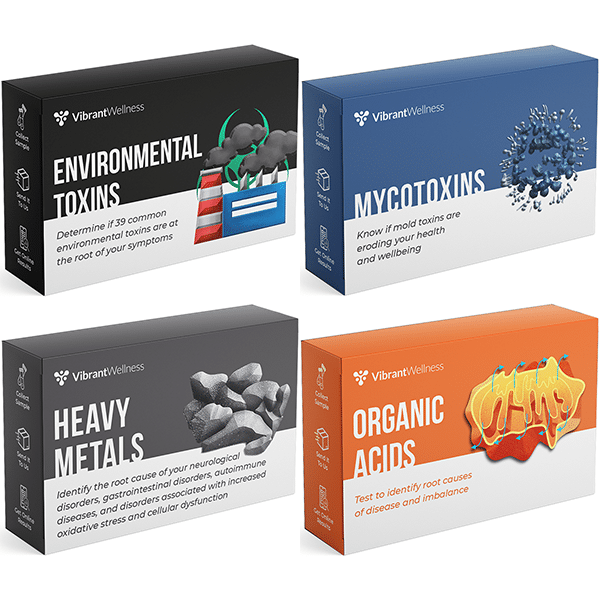
Molds produce toxins known as mycotoxins. Molds are ALWAYS present in homes or workplaces that are water-damaged and they are ALWAYS producing mycotoxins. Even small amounts of mold growth in the air conditioning or ducts will result in the occupants being chronically exposed, constantly breathing mold spores and their mycotoxins, resulting in illnesses.
It is well established in medicine and science that exposure to molds and mycotoxins indoors is hazardous, and more so in children and the elderly. How a person reacts to molds and mycotoxins depends on that person s health status, if they have other health conditions, how long is or was the exposure, the person s genetic makeup, and the nutritional status of the patient.
Mycotoxin Testing Solutions
For the clinician, mycotoxin antibodies are the key to effectively diagnosing patients affected by molds. Whereas molds cause inflammation, mycotoxins bring about toxic reactions. The accuracy, specificity, and sensitivity of mycotoxin antibody testing in serum are unsurpassed, unlike urine testing.
Mycotoxins are a secondary metabolite of mold spores; in other words, they are what mold spores produce to weaken and destroy your health. Mycotoxins are very strong and powerful and destructive to our organs and systems.
Mycotoxins can cause diverse and powerful toxic effects. They are:
- Carcinogenic: cause cancer
- Hepatoxic: toxic to the liver
- Immunotoxic: toxic to the immune system
- Dermatoxic: toxic to skin
- Teratogenic: cause fetal abnormalities
- Neurotoxic: toxic to the brain and nervous system
- Estrogenic: cause elevated levels of estrogen
- Hemorrhagic: cause internal bleeding and bruising
- Nephrotoxic: toxic to kidneys
- Mutagenic: cause genetic abnormalities
WHY IT’S IMPORTANT TO HAVE A BLOOD ANTIBODY TEST FOR OCHRATOXIN
This mycotoxin’s major targets are:
- Liver
- Kidney
- Brain
- Skeletal muscle
- Fat tissue
- Ochratoxin crosses the placenta.
- The highest Ochratoxin levels is found in breast milk
Studies have shown it causes leaky gut syndrome and changes what you absorb from the foods you eat.
Another Example: Trichothecene Mycotoxins
These mycotoxins are produced by the molds Stachybotrys chartarum, Fusarium, Trichoderma, and other molds. These mycotoxins are extremely toxic to humans and these are the most important ones:
- Satratoxin
- Verrucarin
- T-2 Toxin
- Vomitoxin
Blood tests for mycotoxins have been used for the last 20 years and are highly accurate. The specificity and sensitivity of blood serum testing for the presence of IgG and IgE antibodies to mycotoxins in the blood are very high.
Lyme Disease
Many patients suffering from chronic Lyme disease may actually have mycotoxicosis. The symptoms are very alike, and when the treatment for Lyme, which is a bacteria, fails to help a person the reason may be that it is actually mycotoxins causing the problem.
Autism (ASD)
Children with autism frequently have elevated mycotoxin antibody levels as reported in a recent study of 172 autistic children. These antibody levels are included in the mycotoxin serum blood test panel.
Mycotoxins are linked to many other illnesses:
- Alzheimer’s disease: exposure to molds and mycotoxins have been linked to Alzheimer’s disease.
- Asthma: frequently asthma is a result of exposure to molds and mycotoxins, especially in children but also in adults.
- Fungal sinusitis: it has been demonstrated in studies that molds cause sinusitis and are much more common than was believed.
- Multiple Sclerosis (MS): studies have shown that exposure to molds and mycotoxins is a risk factor in MS.
- Obesity: the effects of mycotoxins on the gut bacteria (gut microbiome) can and frequently result in obesity.
Why Testing for IgG Molds is Not Helpful
Testing for antibodies to molds does not help at all. Say a person is 45 years old and went to summer camp for a couple of weeks when they were 12 years old. Let’s say that the room that person slept in a summer camp that had mold. That person’s immune system will build antibodies to those molds and they will always be present in the blood. So doing blood tests for molds doesn’t help in WHEN the person was affected by molds, which could have been years ago. Mycotoxins, being toxins made by molds, is much more relevant in medicine to see if a person is affected by them.