Description
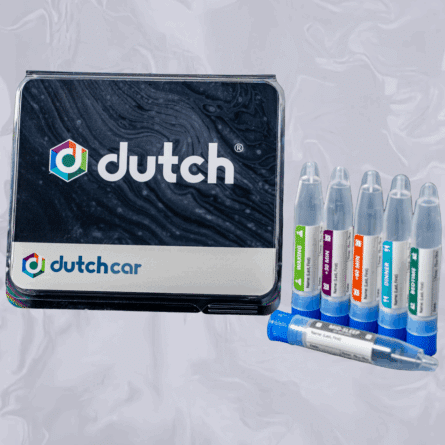
DUTCH CAR Saliva Test
The DUTCH CAR is a saliva test that provides insight into adrenal function with details about a patient’s cortisol awakening response (CAR). This test shows the patient’s daily free cortisol and cortisone patterns.
What is the Cortisol Awakening Response and how do we test for it?
When we open our eyes upon waking, cortisol levels naturally begin to rise by an average of 50%. 30 minutes after waking, cortisol levels will still show this sharp increase. By 60 minutes after waking, cortisol levels have peaked and begin to decline. Measuring this rise and fall of cortisol levels at waking can be used as a “mini stress test”. Research shows that the size of this increase correlates with HPA-axis function, even if the sample measurements are all within range. A quick saturation of saliva swabs upon waking, and at 30 and 60 minutes after waking, provide what is required to assess a patient’s Cortisol Awakening Response
A low or blunted Cortisol Awakening Response
Can be a result of an underactive HPA axis, excessive psychological burnout, seasonal affective disorder (SAD), sleep apnea or poor sleep in general, PTSD, chronic fatigue and/or chronic pain. A decreased CAR has also been associated with systemic hypertension, functional GI diseases, postpartum depression, and autoimmune diseases.
An elevated Cortisol Awakening Response
Can be a result of an over-reactive HPA axis, ongoing job-related stress (anticipatory stress for the day), glycemic dysregulation, pain (i.e. waking with painful joints or a migraine), and general depression (not SAD). A recent study1 showed that neither the waking nor post-waking cortisol results correlated to Major Depressive Disorder, but the CAR calculation (the change between the first two samples) did. This measurement of the response to waking has independent clinical value showing dysfunction that may be hidden by current testing options.
Measuring this rise and fall of cortisol levels at waking can be used as a “mini stress test”.
Research shows that the size of this increase correlates with HPA-axis function, even if the sample measurements are all within range. A quick saturation of saliva swabs upon waking, and at 30 and 60 minutes after waking, provide what is required to assess a patient’s Cortisol Awakening Response.
The results include:
- Analysis of cortisol awakening response (CAR) from cortisone (5) and cortisol (5)
- Graphical representation of results
- Provider notes with specific additional information created specifically for the patient
View Sample Report
Symptoms
Cortisol Awakening Response Imbalance Symptoms
Exaggerated CAR (High Cortisol)
- Morning anxiety
- Physical jitters
- Pounding heartbeat
- Nausea
- Loss of appetite
- Intense sugar cravings
- Unexplained weight gain
- High blood pressure
- Sleep disruptions
Blunted CAR (Low Cortisol)
- Chronic fatigue
- Difficulty focusing
- Dizziness
- Lack of motivation
- Low tolerance for exercise
- Weakened immune system
About Test
About DUTCH CAR
Key Details
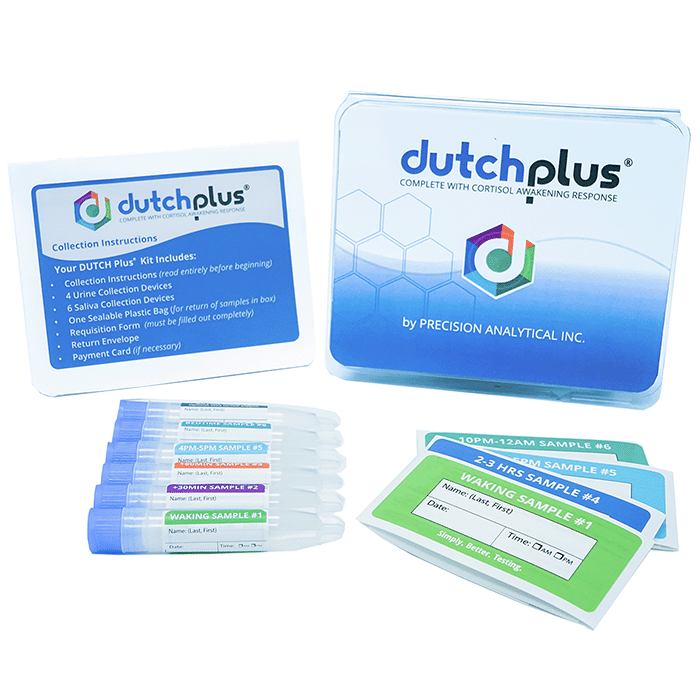
- Review your kit - When you receive the test kit in the mail, review its contents, and read through the information provided with the kit.
- This is a saliva collection kit that you will collect for at home.
What Days of the Month Do I Collect?
- Collect any day while following your typical routine and most common sleep and wake cycle.
Restrictions
- Do not drink alcohol 24 hours before or on collection day
- Do not drink more than 8oz of caffeine on collection day
- Do not brush or floss teeth until after saliva samples in the morning or at bedtime
- Avoid using hormones on day of collection.
- Consult your healthcare provider if taking Glucocorticoids
When to Collect
While adhering to your most common wake/sleep schedule, collect as close as possible to the below timeline.
- Mid-sleep: Optional (if you wake overnight)
- Waking: Collect within 5 minutes of waking (do not eat or drink for the next hour)
- +30 Min: Collect 30 minutes after waking sample
- +60 Min: Collect 60 minutes after waking sample
- Mid-Day: Optional (if you do not wake overnight)
- Dinner: Collect at dinnertime between 4-5pm (rinse mouth with water 10 minutes before)
- Bedtime: Collect at bedtime, no later than midnight (rinse mouth with water 10 minutes before)
How to Collect
- Fill out information on saliva collection devices
- Saturate cotton swab in mouth with saliva
- Put swab back into the tube and do not spit into tube
- Freeze all saliva samples until ready to ship
Why Use DUTCH?
The Easiest Patient Collection
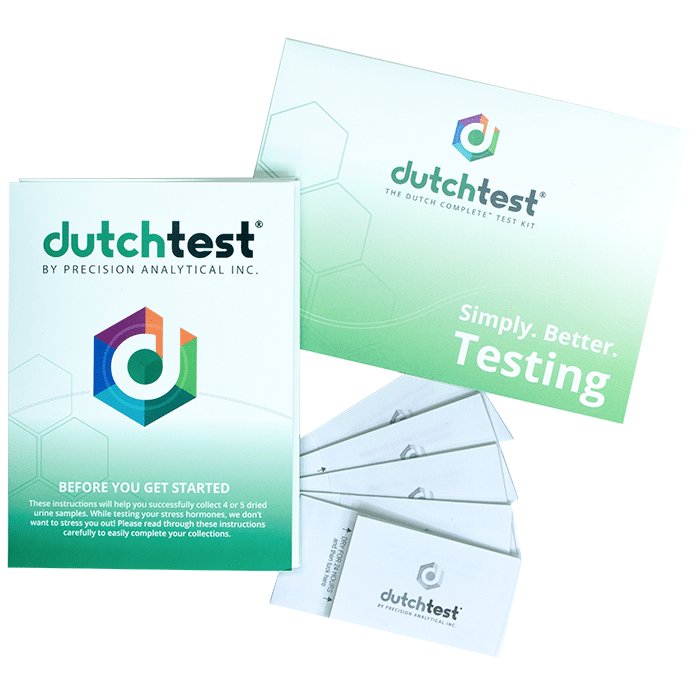
Patients collect just four or five dried urine samples over a 24-hour period. Dried samples are stable for several weeks making them convenient to ship worldwide.
Analytical and Clinical Validation
Precision Analytical’s testing methods go through a rigorous validation process to verify accuracy, recovery, and linearity. We pride ourselves in relentlessly pursuing the most accurate and precise techniques available for testing. See the data on the next page to support the analytical and clinical validation of this powerful new testing model.
Effective HRT Monitoring
DUTCH testing was designed to be optimally effective for most forms of hormone replacement therapy. Unique methods are used for improved monitoring of oral progesterone and vaginal hormones.
How does DUTCH Compare to Other Hormone Tests?
DUTCH vs. Saliva Testing
While the free cortisol pattern in saliva has clinical value, there is a significant missing piece to surveying a patient’s HPA-Axis function with saliva testing – measuring cortisol metabolites. To properly characterize a patient’s cortisol status, free and metabolized cortisol should be measured to avoid misleading results when cortisol clearance is abnormally high or low. Likewise with sex hormones, measuring estrogen and androgen metabolites gives a fuller picture for more precise clinical diagnosis of hormonal imbalances and HRT monitoring.
DUTCH vs. Serum Testing
While the most universally accepted testing method (due to the availability of FDA-cleared analyzers that are reliable and inexpensive), serum testing is lacking in some areas. Adrenal hormones cannot be effectively tested in serum because free cortisol cannot be tested throughout the day. There is also a lack of extensive metabolite testing (especially for cortisol and estrogens).
DUTCH vs. 24-Hour Urine Testing
There are two primary drawbacks to 24-hour urine testing of hormones. First, the collection is cumbersome, and as many as 40% of those who collect, do so in error (Tanaka, 2002). Secondly, dysfunction in the diurnal pattern of cortisol cannot be ascertained from a 24-hour collection. Some providers add saliva for daily free cortisol. DUTCH eliminates the need for two tests.